
Pre-road-trip checklist: what to inspect before you leave LA

A breakdown 300 miles from home costs ten times what it costs in Hawthorne. The good news: the failures that strand people on the highway are almost always visible days or weeks before they happen. Whether you're headed to Vegas, Big Sur, or the Grand Canyon, a quick car inspection California drivers can count on will catch small problems before they become expensive, trip-ending ones. Here's exactly what we check before any customer's road trip — and what you can check yourself before you go.
Why a Pre-Trip Inspection Matters
Long highway miles, desert heat, and mountain grades put more stress on your car in a weekend than months of normal city driving. A vehicle that runs fine on your daily commute can still have a weak hose, a thin brake pad, or a tired battery that only fails once it's pushed hard — usually far from home. A short vehicle inspection California drivers request before a big trip is one of the cheapest forms of insurance you can buy for a road trip.
Tires: Pressure, Tread, and the Spare
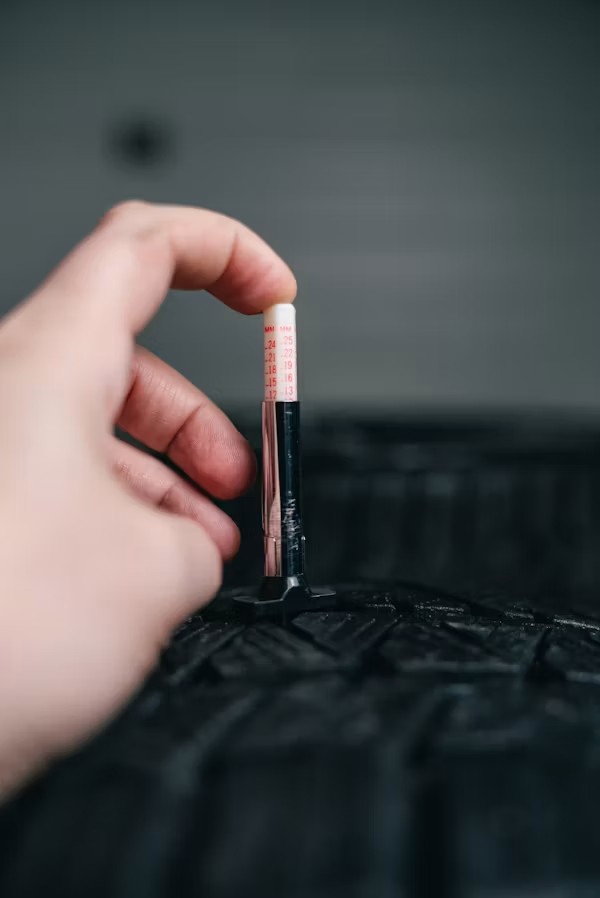
What should you check on your tires before a road trip? Set pressures cold to the door-jamb spec — including the spare. Look over each tire for sidewall cracking, bulges, and uneven wear patterns, which can signal alignment or suspension issues.
- If tread depth is below 4/32", plan to replace before you leave — especially if your route includes rain or mountain passes.
- Don't forget the spare: a flat spare is as useless as no spare at all.
- Uneven wear across the tread can point to a wheel alignment issue worth fixing before a long drive.
| Tread Depth | Condition | Action Before a Road Trip |
|---|---|---|
| 6/32" or more | Good | No action needed |
| 4/32"–5/32" | Marginal | Fine for dry, flat routes; risky in rain or mountains |
| Below 4/32" | Worn | Replace before departure |
Cooling System
Desert heat finds every weak hose and tired water pump. Check the coolant level and condition at the overflow tank, and squeeze the upper radiator hose with the engine cold — it should feel firm, not mushy or brittle. A hose or pump that's marginal at home can fail outright after hours of highway driving in 100°F heat.
Brakes
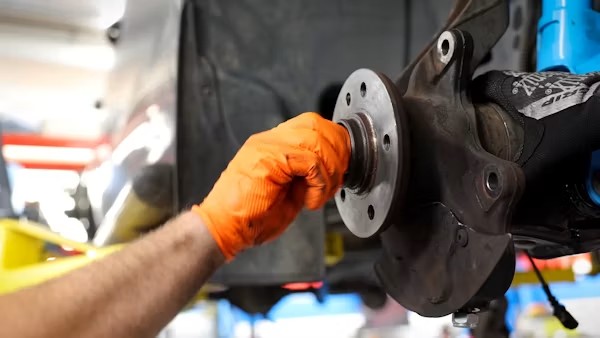
How do I know if my brakes are ready for a road trip? Check pad thickness, rotor condition, and brake fluid level. Long mountain descents punish marginal brakes far more than stop-and-go city driving.
If you've been putting off new pads, this is the trip to finally get brake service — not the one to test how much life is left in them.
Battery and Charging
A five-minute load test tells you whether your battery will survive a hot week away from home. Hot starts in a 110°F parking lot after a full day of desert driving are exactly where weak batteries finally give out. If your battery is three years or older, have it load-tested before you go.
Fluids and Belts
Check engine oil level and color, transmission fluid if it's accessible, and the serpentine belt for cracking or glazing. A snapped belt in the middle of nowhere can end a vacation fast — and it's one of the easiest things to catch ahead of time during routine standard maintenance.
The 20-Minute Peace-of-Mind Check
Drop the car off the day before you leave and we'll walk through all of the above, top off what needs topping, and tell you straight if anything should be addressed before you go — no upsell, just the list. It's the same approach we use for our free 28-point safety inspection, just focused on the systems that matter most for long-distance driving.
For general road trip safety guidance beyond the mechanical side, the National Highway Traffic Safety Administration also publishes seasonal driving and vehicle safety tips worth a quick read before a long trip. If you found this checklist useful, you might also like our guide to tire pressure, tread, and the truth about the penny test for a deeper look at reading your tires between trips.
Key Takeaways
- A pre-trip car inspection catches the failures that strand drivers — tires, brakes, cooling, battery, and belts — while they're still fixable in the shop, not on the shoulder of the highway.
- Most roadside breakdowns are preventable; the warning signs (cracked belts, mushy hoses, worn tread) are usually visible days or weeks in advance.
- A vehicle safety inspection California shops perform typically takes about 20 minutes and covers the systems most likely to fail under heat, load, and long mileage.
- Book your inspection at least a day or two before departure so there's time to fix anything found, rather than the morning you plan to leave.
Frequently asked questions
How far in advance should I get my car inspected before a road trip?
Ideally 2–3 days before departure. That leaves enough time to order parts or schedule a repair if the inspection turns up an issue, without derailing your travel plans.
What's included in a typical pre-road-trip inspection?
Tires and spare, brakes, cooling system, battery, and fluids and belts — the systems most likely to be pushed hard by heat, mountain grades, and extended highway mileage.
Is a road trip inspection the same as a smog check?
No. A smog check tests emissions compliance; a pre-trip mechanical inspection checks safety and reliability items like brakes, tires, and belts. Both matter, but they serve different purposes.
Can I do this inspection myself?
You can check tire pressure, tread, and fluid levels yourself with basic tools. Brake pad thickness, hose condition, and battery load testing are harder to judge accurately without shop equipment, which is why many drivers have a mechanic do a full pass before a long trip.
What if the inspection finds a problem right before I'm supposed to leave?
That's exactly why earlier is better than later — most issues found (a hose, a belt, brake pads) can be fixed same-day or next-day when there's a little buffer before departure.
Let's get your car looked at.
Free visual inspections, written estimates, no pressure. Book online or call the shop.